Contact us
Leave Your Message

Blog

Why Are Tracking Fitness Apps Important for Global Buyers?

Why Are Tracking Fitness Apps Important for Global Buyers?

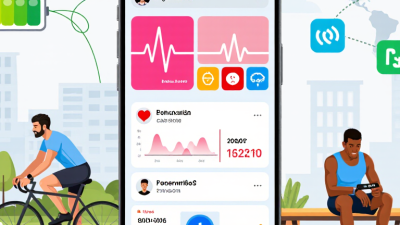
For global buyers, Tracking Fitness Apps aren't just step counters anymore. They pull together daily movement, sleep, heart rate, nutrition, and longer-term wellness goals. A buyer in London might care most about smooth smartwatch integration. A user in Manila might be more worried about battery life and how well the app works on low data. Those little differences? They end up shaping real buying decisions. Dr. Walter R. Thompson Jr., a leading exercise science researcher and former American College of Sports Medicine survey author, said, “Wearable technology was the number one fitness trend in 2024.” And he’s not wrong about the bigger shift: people want health to feel measurable and personal. But popularity doesn’t automatically mean quality. Buyers still need reliable sensors, dashboards that make sense, pricing that’s accessible, and data policies they can actually understand. A strong tracking fitness app should explain what its numbers mean, not act like every reading is absolute truth. Then you look at companies like Fitbit, Garmin, and Strava, and you see just how varied this market is. Fitbit leans into everyday health insights. Garmin is more for performance-focused athletes. Strava keeps people motivated through community and route tracking. Each has real strengths, but none is a perfect fit for every buyer. And that’s a weakness worth admitting. Battery limits, inaccurate readings, confusing subscriptions, and missing regional languages can chip away at trust fast. So global buyers should look at real-world performance, customer support, device compatibility, and data control before they choose. The best app isn’t always the most famous one. It’s the one that shows up reliably on a morning run, a crowded commute, or a quiet recovery day.
Read more »
Sophia By:Sophia - October 13, 2026
China Best Fitness Activity Tracker Supplier?

China Best Fitness Activity Tracker Supplier?

So, finding the best fitness activity tracker supplier in China? It’s not just about price tags and pretty product photos. You’ve got to look for real proof—actual manufacturing experience, consistent quality, and responsible data practices. A supplier you can trust should be able to clearly explain its factory capacity, where components come from, how it tests things, and what after-sales support looks like. A professional fitness activity tracker supplier should also give you practical specs: sensor accuracy, battery life, waterproof rating, screen durability, and how well the mobile app works. Before you approve a bulk order, ask for samples. Test heart-rate readings while walking, cycling, and resting. See if the device still feels comfortable after a few hours. Honestly, the small details matter more than you’d think. When evaluating a supplier, don’t skip the boring stuff either—quality management records, product certifications, inspection reports, and clear communication. These documents won’t guarantee perfection, but they do show a stronger commitment to accountability. An Activity Fitness Tracker might look impressive online, but unstable software or delayed updates can really hurt the user experience. That’s a risk that’s easy to underestimate. Experienced Chinese manufacturers can often offer flexible branding, custom packaging, and scalable production. That said, customization can also raise costs, lead times, and quality-control pressure. So confirm every detail in writing—from logo placement to charging standards. And remember: samples may not match mass production exactly, so pre-shipment inspections are still worth it. The strongest supplier isn’t always the cheapest. It’s the partner that brings together engineering know-how, consistent production, responsive service, and honesty about limitations. Some claims still need independent verification. And that’s where careful sourcing really matters.
Read more »
Jackson By:Jackson - October 8, 2026
7 Best Fit Step Trackers for Global Buyers?

7 Best Fit Step Trackers for Global Buyers?

Picking out the right Fit Step Tracker might seem straightforward at first — until you start shopping around worldwide and realize how complicated things can get. You see, a device that counts steps accurately in one test might not be so perfect on stairs, uneven paths, or busy streets. So, it's not just about the hardware; things like regional app support, language options, payment methods, warranties, and shipping policies all come into play. In this guide, we're taking a closer look at seven top options from brands like Fitbit, Garmin, Xiaomi, Samsung, Amazfit, Huawei, and Withings. We’ll compare them based on how well they track steps, how comfortable they are to wear, battery life, the quality of their apps, health features, privacy, and whether they’re available internationally. We also want to be practical—considering if the tracker can stay comfy during a whole workday or if it can handle a sudden rain shower without breaking a sweat. Honestly, no one tracker ticks *all* the boxes. Some are better for sports and active workouts, while others are more suited for simple daily activity monitoring. And yes, a cheap price tag might be tempting, but regional restrictions or if the customer support’s lacking might end up frustrating you later on. So, always double-check if it works with your phone and local networks before you click that buy button. And here’s a little heads-up about accuracy — it’s not always perfect. Things like wrist movement, loose straps, arm position, or even doing house chores can throw off the step count. Even tests in controlled environments have their limits. It’s good to keep that in mind. We’re not here to declare a clear winner — instead, our goal is to help you make a smarter choice. We look at manufacturer info, independent tests, user reviews, and after-sales support. But keep in mind, software updates and regional policies can change things, so it’s worth checking the latest details before making your purchase—especially if you’re buying across borders. Ultimately, the best tracker is the one that fits your routine, budget, phone, and personal expectations. That’s what really matters.
Read more »
Madeline By:Madeline - October 3, 2026
How to Choose the Best Fitness Tracker Wrist Watch?

How to Choose the Best Fitness Tracker Wrist Watch?

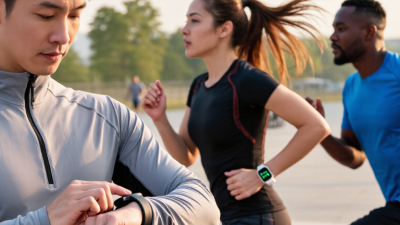
Choosing a fitness tracker wristwatch these days isn’t just about comparing step counts or screen sizes anymore. You know, wearables actually topped the list of the biggest fitness trends for 2024 in the American College of Sports Medicine’s survey. That’s pretty telling—it shows lots of pros and enthusiasts are interested. But just because something’s popular doesn’t mean it’s super accurate. In fact, IDC reported that in 2023, over 537 million wearable devices were shipped worldwide — which just goes to show how glued people are getting to these gadgets. The real practical question is: which one actually gives useful info for your busy life — whether you’re working, working out, sleeping, or recovering? When you’re trying to pick out a reliable one, it’s all about knowing what really matters to you. Think about things like how steady the heart-rate readings are, GPS accuracy, battery life, water resistance, and whether the app feels intuitive. Having a bright screen is a plus if you’re out and about outside. And let’s not forget, a comfy strap makes a big difference when you’re wearing it all night for sleep tracking. Some watches throw in fancy features like calorie estimates or recovery stats, but honestly, those are just rough guesses — use them as a guide, not a substitute for medical advice. Also, don’t get caught up thinking that a higher step count automatically means a better device. Trying things out yourself can really shed light on things that product descriptions sometimes gloss over. For example, sweat can mess with optical sensors, or a loose strap might give you wonky readings. If you’re doing a lot of GPS-heavy workouts, expect the battery might drain pretty fast too. The best fit isn’t always the most expensive or flashy one—it should suit your wrist, match your daily habits, work smoothly with your phone, and support your fitness goals. Keep in mind, no device is perfect — that’s totally normal. It’s also a good idea to check reviews from trusted sources like Consumer Reports or watch for ISO testing standards to get a clearer picture. Just be sure to take manufacturer claims with a grain of salt. In this guide, I’ll help you look at the real evidence, how comfortable it is for daily wear, how accurate the data is, and whether it’s a good long-term investment. So, you can pick with confidence instead of just scrolling for the coolest-looking specs.
Read more »
Madeline By:Madeline - September 29, 2026
Why Choose a Fit Step Tracker for Your Business?

Why Choose a Fit Step Tracker for Your Business?

A Fit Step Tracker can really help businesses get a better sense of how people move around on a daily basis. It tracks your steps, active minutes, and patterns throughout the workday. For HR folks, wellness teams, or fitness providers, having that kind of info can shift the focus from guesswork to practical plans. For example, a dashboard might reveal that folks are pretty sedentary during long stretches at their desks or that they’re more active during lunchtime walks—those little details actually matter a lot. They can help teams set realistic goals, come up with fun walking challenges, and see how participation changes over time. Now, just having a device isn’t the magic cure for wellness. The real success comes from setting clear goals, making sure the device is comfy to wear, trusting that the data is reasonably accurate, and handling employees’ info with care. Dr. Mitesh Patel, a doctor and researcher at the University of Pennsylvania who studies wearable tech and health habits, sums it up pretty well: “Activity data is most useful when it supports small, sustainable behavior changes.” That’s really the key. A Fit Step Tracker should motivate steady habits, not turn every step into a competition. Some employees might ignore reminders, and yes, the readings can sometimes be off—that’s just part of it. Companies should really do their homework by comparing different brands’ accuracy, battery life, reporting features, and support options before making a choice. Plus, they need to be transparent about what data is being collected and how it’ll be used. When the device fits the team and the overall wellness plan, it can actually make it easier for people to notice their movement—and more importantly, to make improvements over time.
Read more »
Sophia By:Sophia - September 25, 2026
What Is a Fitness Tracking Device and How Does It Work?

What Is a Fitness Tracking Device and How Does It Work?

Fitness tracking devices are these nifty wearables that turn your everyday movements into useful info. You know, like when you slap on a watch and suddenly it’s counting your steps, estimating how far you've gone, keeping tabs on your heart rate, or even tracking your sleep. Brands like Apple, Fitbit, and Garmin are pretty popular examples. They work by using tiny sensors, clever software, and syncing up with your phone to give you a kind of snapshot of your activity throughout the day. So, how does it all work? Well, it starts with sensors. An accelerometer picks up on any motion — whether you’re walking, jogging, or stair-climbing. Then there’s the gyroscope, which helps tell the watch how your wrist is moving or rotating. Optical sensors shine a little green light into your skin to measure blood flow, which helps track heart rate. Some devices also include GPS, so they can map out your outdoor routes, and a few might have extra sensors for things like temperature or blood oxygen levels. All these signals go through some fancy algorithms that crunch the data, then show you the results via an app or on a dashboard. But hey, it’s worth remembering: this data is pretty personal. How accurate these things are can depend on how snugly your device fits, how you’re moving, your skin contact, and even the device’s battery health. For example, if your watch isn’t tight enough, it might give wonky heart-rate readings. Quick arm movements can sometimes be mistaken for steps. Calories burned? That’s more of an estimate — it’s based on your age, weight, heart rate, and activity, but it’s not exact. So, don’t take the numbers as gospel. These gadgets are best used to help you understand your trends and habits, not to replace advice from a healthcare pro. Looking at data over time—like weekly activity, resting heart rate, or sleep patterns—can reveal some meaningful insights. Just a heads up though: if you see something weird or out of the ordinary, it’s smart to be skeptical and maybe check your privacy settings before sharing your health info. In the end, these devices are super helpful but definitely not perfect — use them as a guide, not a definitive source.
Read more »
Sophia By:Sophia - September 22, 2026
How to Choose a Simple Fitness Tracker Watch?

How to Choose a Simple Fitness Tracker Watch?

Picking out a simple fitness tracker watch seems straightforward at first, but things get a bit more complicated when you start thinking about your specific daily needs. A good, reliable model should show you the essentials clearly—no need to turn every walk into some kind of data science project. Look for easy-to-read numbers, comfortable materials, accurate step counting, and a battery life that keeps up with your routine. If you’re outdoors, a bright screen makes a big difference. Physical buttons can come in handy during workouts when you're sweaty, too. Little details like these matter, especially when your hands are full or your phone’s tucked away somewhere else. From my experience with fitness wearables, keeping things simple usually helps you stay consistent. That said, don’t expect perfect accuracy—step counts can vary pretty a lot across different brands, and wrist heart-rate readings might get a little off during intense activity. That’s totally normal. The key is to use the numbers to notice patterns, not to diagnose any health issues. Trusted brands like Fitbit, Garmin, and Xiaomi publish specs that you can check out, but it’s also smart to read independent reviews and product tests. Before you buy, look into how each watch handles sleep tracking, notifications, charging, and data privacy. Sometimes a cheaper device seems like a good deal, but if its software isn’t reliable, it can get pretty frustrating over time. I’ve also found that a watch with fewer features is often easier to wear daily. But keep in mind, what ‘simple’ means can really differ from person to person. A serious runner might need GPS, while if you’re just tracking daily walks and reminders, you might not. Honestly, think about your habits and what really matters to you. The perfect device probably doesn’t exist—but a good one is usually the one that feels comfortable, easy to understand, and trustworthy after a few days of use.
Read more »
Jackson By:Jackson - September 18, 2026
What Is the Top Watch Fitness Tracker in 2026?

What Is the Top Watch Fitness Tracker in 2026?

So, what really makes the best fitness tracker or smartwatch in 2026? Well, honestly, it all depends on how you train, sleep, travel, and handle stress during your day. Brands like Apple, Garmin, Samsung, and Fitbit each have their own strengths, but no single device is perfect across the board. In this guide, I’ll take a look at stuff like battery life, heart rate accuracy, GPS performance, sleep tracking, comfort, and software support. We’ll compare the specs you see online with real-world testing—think running, walking, cycling, or just your usual day at the office. Because at the end of the day, a tracker should be useful even when the hype is gone. That means clear notifications, dependable syncing, and a strap that doesn’t irritate your skin. Trust me, those little details really matter. For example, a fitness tracker might be great at logging workouts but completely miss the mark during sleep tracking. Or maybe one model lasts two weeks on a single charge but doesn’t have a lot of coaching features—you’ll want to weigh those trade-offs carefully, rather than just falling for flashy promises. We’ll also bring in some independent research and stick to established review methods, trying to separate what manufacturers claim from what’s actually proven performance-wise. Keep in mind, health readings can be super helpful for awareness, but they’re no substitute for advice from a healthcare pro. Sometimes, the most practical choice isn’t the most stylish. It might be the one that charges up fast, fits snugly, and gives you easy-to-understand data. And real-world experience can reveal problems you might not catch from specs alone—stuff like GPS drifting near tall buildings, or notifications lagging during your busy commute. But hey, those impressions aren’t perfect either—things like wrist size, your phone, how often you work out, and software updates can all change how things perform. So, we’ll keep those limitations in mind while highlighting the most reliable options for different folks in 2026.
Read more »
Madeline By:Madeline - September 14, 2026
How to Choose a Bracelet Fitness Tracker in 2026?

How to Choose a Bracelet Fitness Tracker in 2026?

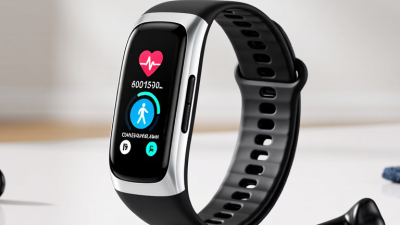
Picking out a fitness tracker bracelet in 2026 isn’t just about comparing step counts anymore. Honestly, the best device should feel comfortable on your wrist, fit into your daily routine, work smoothly with your phone, and match your health goals. Plus, it’s super important that it’s upfront about what it can and can’t do — ‘cause that shiny screen promising perfect results doesn’t tell the whole story. There's plenty of industry evidence showing why you need to pay attention here. According to IDC’s Worldwide Quarterly Wearable Device Tracker, the market’s still on the rise — folks are into health tracking, sports, and just making everyday life easier. Meanwhile, Grand View Research points out that more and more people want connected fitness tech, especially those who really want constant activity feedback and wellness insights. All this sounds great, but let’s be real: just because the market is booming doesn’t mean every device is spot-on with its measurements. A popular model might give you confusing sleep charts or awkward heart-rate readings, even if it looks sleek. Ramon T. Llamas, a wearable tech analyst at IDC, put it simply: “The wearables market isn’t just about smartwatches anymore.” That’s still true. These slimmer bands are fighting for your attention with better battery life, snazzier sensors, and more affordable prices. But don’t get dazzled by fancy specs — sometimes, more sensors just mean more data, not necessarily better choices. For example, a bracelet that looks super stylish in a photo might become annoying to wear after a few hours. In this guide, we’ll take a closer look at things like how reliable the sensors are, how long the battery lasts, the quality of the companion apps, how comfortable they really are, your data privacy, and how well they work with other devices. We’ll base this on real-world experiences, not just marketing claims. Sure, some recommendations might still have their flaws—that’s honest. Personal stuff like your goals, skin sensitivity, workout intensity, and budget all matter when picking the right one. Ultimately, in 2026, a good fitness tracker bracelet should quietly help you build healthier habits without trying to replace professional medical advice. It’s all about making your life easier in a subtle, trustworthy way.
Read more »
Madeline By:Madeline - September 10, 2026
Top Smart Fitness Activity Trackers to Boost Your Health?

Top Smart Fitness Activity Trackers to Boost Your Health?

These days, with everyone so focused on staying healthy, it's no surprise that Smart Fitness Activity Trackers are more popular than ever. As John Smith from FitTech Innovations once put it, “The right tracker can really change how you approach your fitness goals.” Basically, these devices help you keep tabs on your activity levels, heart rate, and even your sleep patterns—giving you some pretty valuable insights into your overall health. Getting a Smart Fitness Activity Tracker can seriously be a game-changer when it comes to reaching your fitness targets. They give you instant feedback, which can boost your motivation and help you make positive changes. Plus, they make setting realistic goals way easier and kinda create this sense of accountability—you wanna see that progress! But here’s the thing: not every tracker is a perfect fit for everyone. It’s important to pick one that matches your lifestyle and needs. Now, I gotta say, sometimes these gadgets come with so many features that they can feel a bit overwhelming or confusing. It’s all about figuring out what you actually need versus what’s just marketing hype. Finding that sweet spot can be tricky, but it’s super important if you wanna get the most out of your device. At the end of the day, choosing the right Smart Fitness Activity Tracker is all about supporting your health journey, helping you grow personally, and just living a healthier, more active life.
Read more »
Jackson By:Jackson - August 28, 2026
Top Fitness Tracking Bands to Buy in 2026 for Your Health Goals?

Top Fitness Tracking Bands to Buy in 2026 for Your Health Goals?

In the ever-changing world of health and fitness, fitness tracking bands have really become essential tools for a lot of people. If you’re looking into them, you might have seen that, according to the International Health, Racquet & Sportsclub Association, the market for wearable fitness tech is expected to hit around $62 billion by 2026. That’s a clear sign just how much these devices are playing a bigger role in helping folks hit their health goals. Big brands like Fitbit and Apple are pretty much leading the charge, pushing innovation and making these gadgets more than just step counters. Nowadays, they do so much more — monitoring your activity, heart rate, sleep patterns, even stress levels. All that info can really help you make smarter choices about your health. But here’s the thing: with so many options out there, it can get pretty overwhelming trying to pick the right fitness tracker for you. People’s opinions vary — some love the insights they get, but others admit it can be a bit too much to process. That’s why it’s so important to really think about what you need and what you’re looking for. Taking a little time to do some research can make all the difference in finding a fitness band that actually fits your personal health goals. Trust me, it’s worth it to find the right one — it’ll make your fitness journey feel a lot more tailored and doable.
Read more »
Jackson By:Jackson - August 24, 2026